
Palmer Township Previous Residents Sources
Earlier occupants of one Palmer Township address are best approached by era and record type. The county’s present parcel records can supply a current parcel, CAMA, map, block, lot, or deed lead. Recorder material establishes recorded conveyances. The Marx Room’s directories and cross-reference volumes can add a dated listed household where the selected volume covers the address. Federal census schedules provide a household snapshot. Planning and permit files can date work at a property, but an applicant or an owner is not automatically a resident.
| Source | Documented time span | Custodian | Value for an address trail |
|---|---|---|---|
| Deed books | 1752-1866 in the State Archives Northampton guide; later books at county Recorder | Recorder, Archives guide, and LANDEX | Recorded parties, legal description, and book or instrument trail. |
| Grantor and grantee deed indexes | 1752-1926 in the guide | Recorder, Archives, and LANDEX terminal | Connects each party to the next recorded instrument. |
| Mortgage indexes | 1752-1922 in the guide | State archival guide and county sources | Financing and collateral clues, not ownership alone. |
| Easton directories | Beginning 1855; full annual gaps not published | Marx Room | Regional historical household or business leads. |
| Federal census | 1790-1950 public | NARA and library resources | Household snapshot and address or enumeration context. |
| Township permits and plans | Local dates vary; no online archive cutoff found | Palmer Codes and Planning | Existing construction, plan, or alteration records. |
A current tax or GIS result is a starting key, not a complete past-residents list. The county property site was in maintenance during research, so no owner-name, ZIP, or mailing-address field should be assumed. When the web page is unavailable, use the assessment or GIS contact route to identify the parcel, then continue with the Recorder, Archives, library, or township custodian that holds the needed record.
Palmer Township Grantor Grantee Indexes
Northampton County Archives gives a direct local starting point for a house history: use the grantor and grantee indexes on the LANDEX computer system. Those indexes are available through LANDEX online and at terminals in the Archives and Recorder office. Begin with a parcel or a current recorded deed, not a surname alone. Common names and subdivided land can otherwise create a convincing but wrong sequence of prior residents or owners.
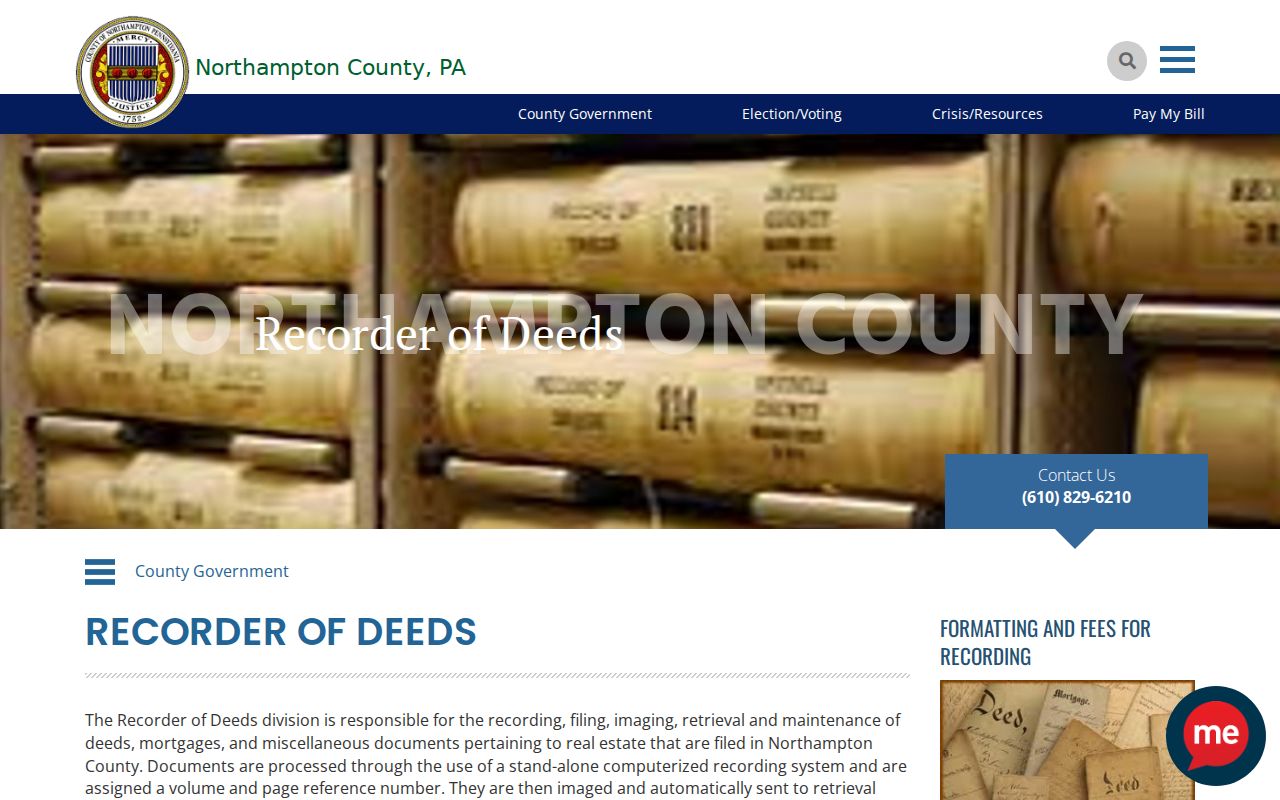
The Northampton County Recorder of Deeds is the source for the county’s recorded-document function and public imaging or microfilm inspection statement.
LANDEX General search uses a selected county, document types, name fields, and an optional date range. It supports a single-character question-mark wildcard and an asterisk string wildcard. Search access differs from image access: selected documents enter a cart, paid PDF images are available after checkout, and certified copies come from the courthouse.
Note: Check the legal description and parcel identifiers at every link, because a recorded owner chain is not an occupancy chain.
Palmer Township Historical Deed Chain
A chain of title is a sequence of recorded transfers for the same land. It can establish who conveyed the property, but it cannot by itself establish every person who lived there. Start with the address-to-parcel link and the present deed reference. Then use the seller from that deed as a grantee search, because the seller acquired the property in an earlier transaction. Compare the recurring legal description, lot, block, acreage, subdivision plan, municipality, and book or instrument reference before accepting the next link.
- Use current assessment or GIS information to record the parcel, CAMA or map-block-lot identifiers, situs location, and current recorded-owner lead.
- Find the current purchase deed in LANDEX WebStore by party, instrument number, or book and page, then save the recording reference.
- Identify the seller, or grantor, in that conveyance and search that name as a grantee to locate the earlier acquisition.
- Repeat the process backward while testing the legal description against the same parcel and subdivision context.
- Move to the Recorder or Archives LANDEX terminal and the archival guide when an older or missing result needs a non-web route.
- Grantor
- The party who conveys an interest in a recorded document.
- Grantee
- The party who receives that interest. In a backward search, a later seller is often found as an earlier grantee.
- Chain of title
- A tested sequence of recorded transfers for the same tract, rather than a list of people sharing a surname.
- Legal description
- The lot, block, subdivision, acreage, boundary, or similar land description that helps distinguish one property from another.
Palmer Township Recorder Archives Access
The official State Archives guide documents Northampton Recorder deeds from 1752-1866, grantor and grantee indexes from 1752-1926, and mortgagee or mortgagor indexes from 1752-1922. The guide is a microfilm inventory and finding aid. It does not mean that every image is free online. The retrieved LANDEX county information did not state a Northampton online start year, so an online cutoff should not be invented.
Northampton County Archives holds records from more than 30 county offices across 48 filing systems and says its LANDEX computer route is available at Archives, Recorder, or online. In-person research is free. Mail or email name searches cost $5 per name, copies cost $0.50 per page, and Archives cannot certify copies. Contact the office first for a mail or email search, or use an Archives and Recorder terminal for an older chain.
The honest fallback is simple: if an online search does not produce the necessary document, consult the Recorder counter, the Archives terminal, and the archival guide. A missing web result may reflect an index spelling issue, a tract split, a changed street form, an unavailable image, or a different parcel.
Palmer Township Directory Census Pairing
After the recorded land trail identifies a period to test, use printed and federal sources for the household layer. The Marx Room confirms Easton city directories beginning in 1855 and Easton-area cross-reference directories, while its brochure does not publish the complete annual run or the exact reverse-directory years. Ask for the volume that matches the address and year. The historical collections themselves are described in the Palmer Township city directory resource.
- Save the date and street form from a verified deed or directory lead.
- Check the selected directory volume for surname variants, initials, an Easton label, and a possible address-ordered section.
- Pair the nearest pre-1951 listing with the 1950 census, then work backward through 1940, 1930, and earlier schedules.
- When a name index fails, use the address and enumeration district to browse the federal schedule.
- Use an obituary, probate record, recorded deed, or appropriate death-record channel to test a disappearance.
NARA makes federal census records from 1790 through 1950 public under the 72-year rule. A census is a snapshot on its enumeration date. It can show a household relationship, age, or birthplace, but it does not prove a move-in or move-out date.
Palmer Township Past Residents Geography
Historical geography is a practical part of an address-history search. Palmer Township was part of Forks Township until a court order created the independent township in 1857. For earlier land, census, descriptive, or survey work, search Forks Township and Northampton County as well as Palmer Township. Do not rewrite the historical locality in notes. Record the term used by the source, then explain the present-day relationship separately.
George Palmer served as Northampton County deputy surveyor from 1773 for about 51 years, and the township history says his survey records still matter to title and boundary questions. This makes parcel descriptions, routes, and older municipality names especially important when matching a deed chain. The township street map also pairs local roads with state-route names in places, so preserve both forms when an older document uses a route.
Palmer Township Plans Permits Dates
Township records can date physical changes without becoming a resident directory. Palmer Planning, Codes and Permits, public meeting packets, and public land-development material may hold an existing plan, permit card, certificate, or discussion tied to an address. The forms catalog includes building, re-roofing, pool or fence, deck, basement, change-use, zoning, stormwater, and sewer materials. An applicant can be an owner, contractor, or authorized representative, so it should not be recast as an occupant.
No public Palmer address-search portal or historic permit cutoff was found. For an existing record, contact Palmer Planning or the township open-records route with an exact street address, parcel identifier if known, time span, and narrow record type. Pennsylvania’s Right-to-Know Law concerns existing records; it does not require the township to create a custom address history.
Palmer Township Past Household Endpoints
Obituaries, probate, and historic death material can help close a past-residents trail, especially after a directory or census disappearance. The Marx Room has an obituary index from 1900 to the present, newspaper material, and church and cemetery volumes. Northampton’s Register of Wills holds decedents’ estate documents from 1752 to the present, marriage records issued in the county, and historic death channels. Its home or office portal covers estates, public Orphans’ Court documents, and marriage information from 1994 forward for a small fee and requires guest or account access.
The Northampton Register of Wills and Orphans’ Court is the source for this county estate and marriage route.
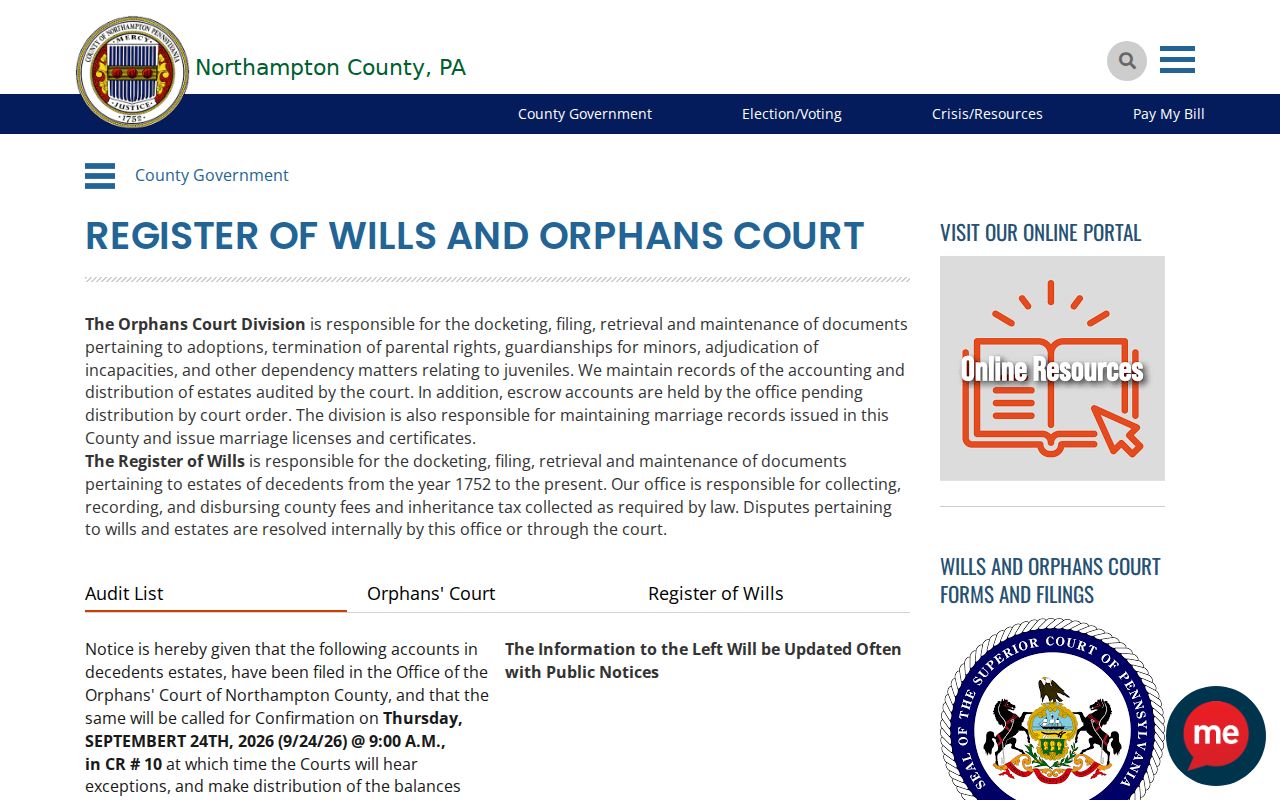
Estate files may name fiduciaries, heirs, or addresses in filings, but adoption, juvenile, and confidential material has heightened access limits. A probate record can support a dated family-history lead; it should not be used to draw unsupported conclusions about a household.
Palmer Township Vital Record Limits
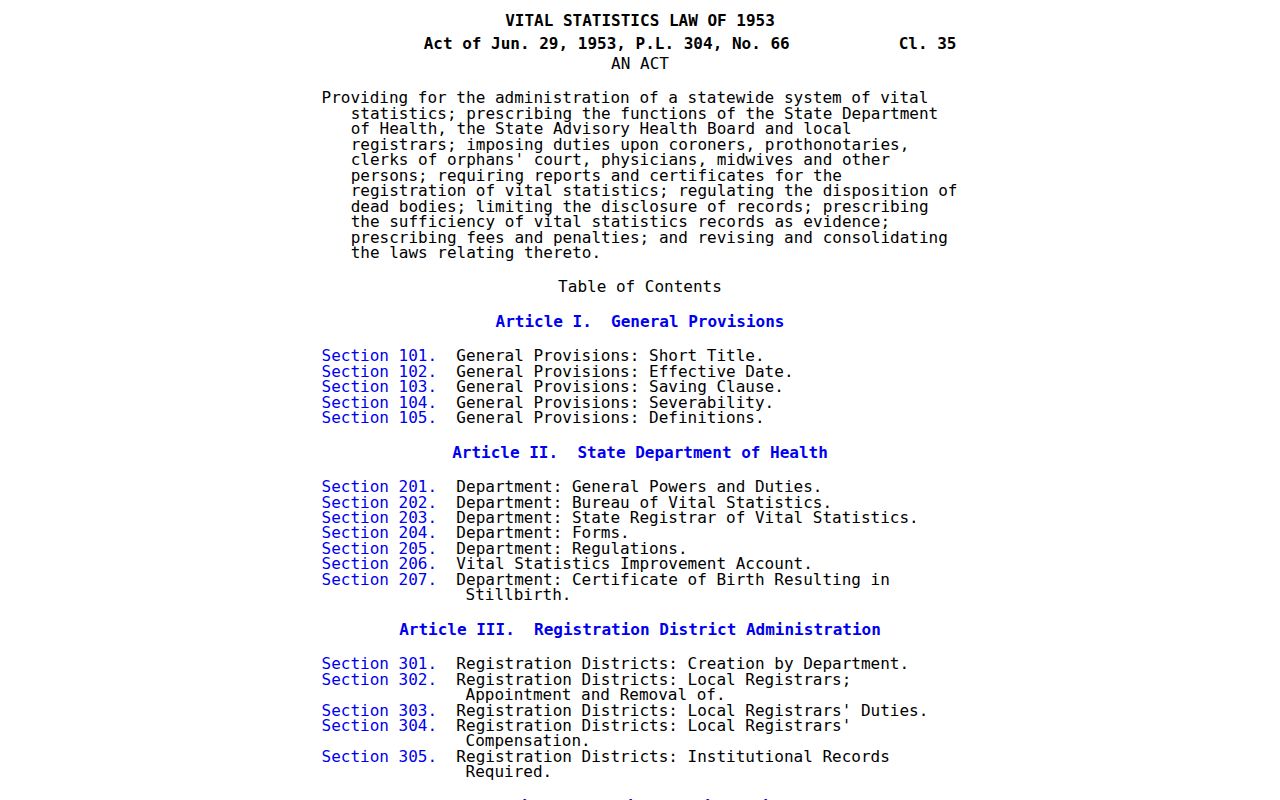
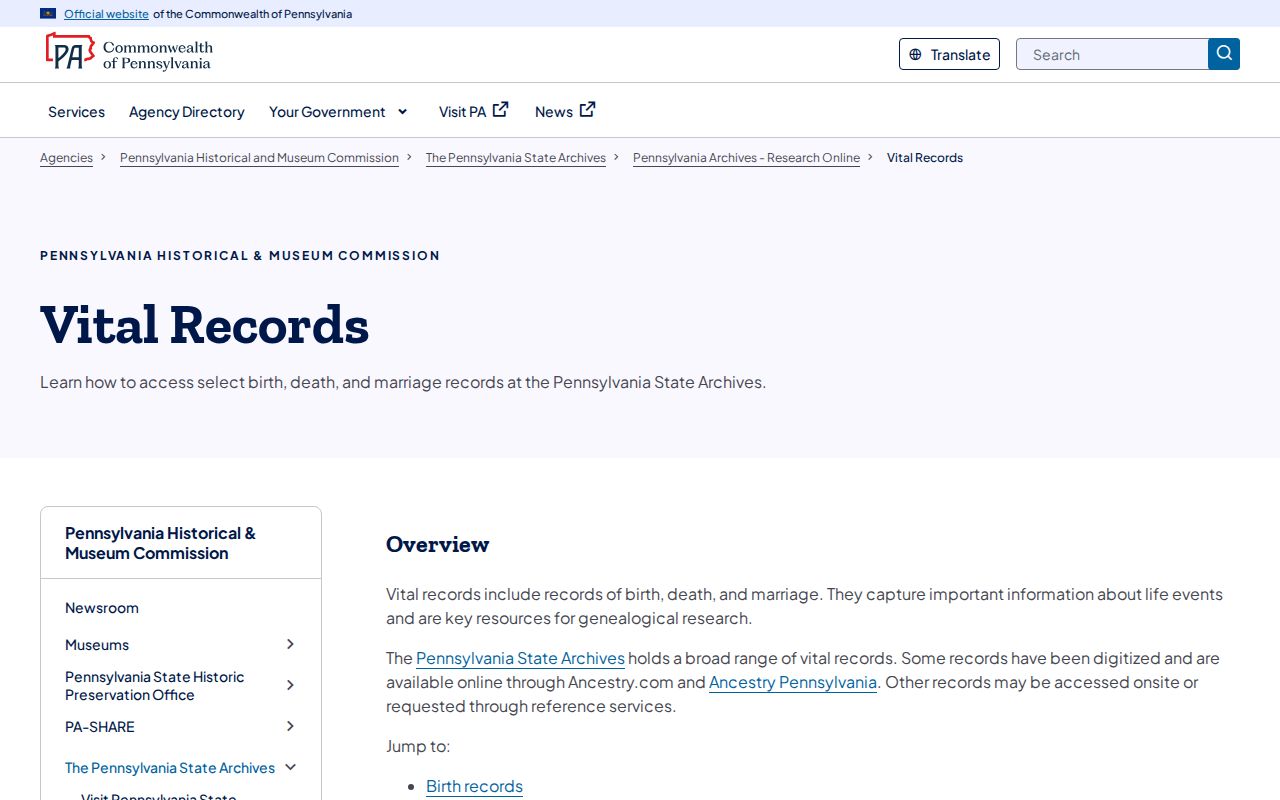
Vital records have their own time bands and access limits. Pennsylvania birth records become public 105 years after birth, and death certificates become public 50 years after death. Mature records are held by the State Archives; certified current records remain limited to eligible applicants. County birth and death registers existed from 1893-1905, while the statewide vital program began in 1906. For a pre-1906 death, state guidance directs researchers toward the county courthouse and local historical channels.
Pennsylvania’s Vital Statistics Law of 1953, Section 801 is the statutory source for the maturity and confidentiality framework.
For archival death research, use the Pennsylvania State Archives vital-records information to select the correct time band and request route.
Death records, obituaries, estate filings, and cemetery or church sources are complementary evidence. They can identify a date or family connection, but they do not replace a tested deed chain or a dated household record.
Note: Verify the time band, eligibility, and current request instructions with the custodian before ordering any certificate.